 SDS Studio™
Identifiers
| CAS number | 7782-50-5 |
|---|---|
| EC number | 231-959-5 |
| CLP Index number | 017-001-00-7 |
| Formula | Cl2 |
| Synonyms | dichlorine |
Classification
Harmonised classification (CLP Annex VI): Ox. Gas 1, H270; Press. Gas, null; Acute Tox. 3 (Inhalation) *, H331; STOT SE 3, H335; Skin Irrit. 2, H315; Eye Irrit. 2, H319; Aquatic Acute 1, H400
Label elements
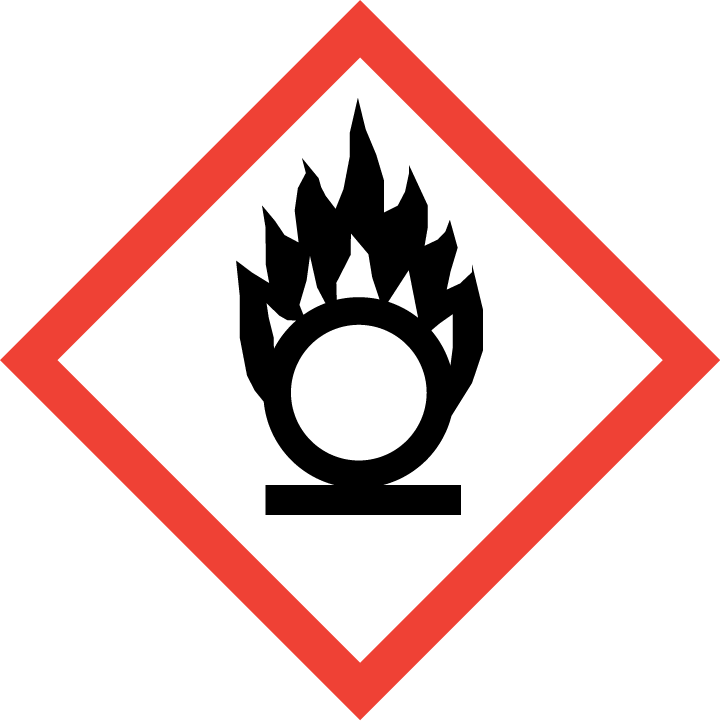
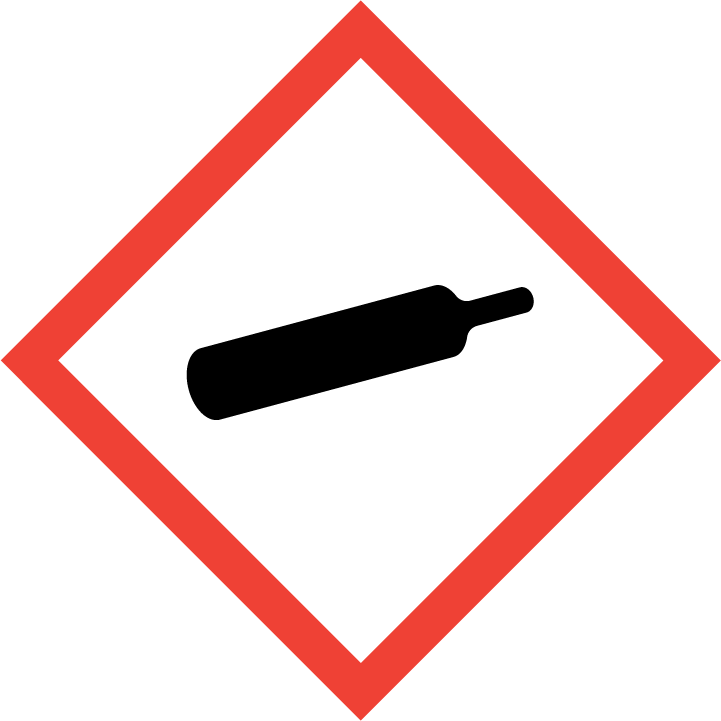
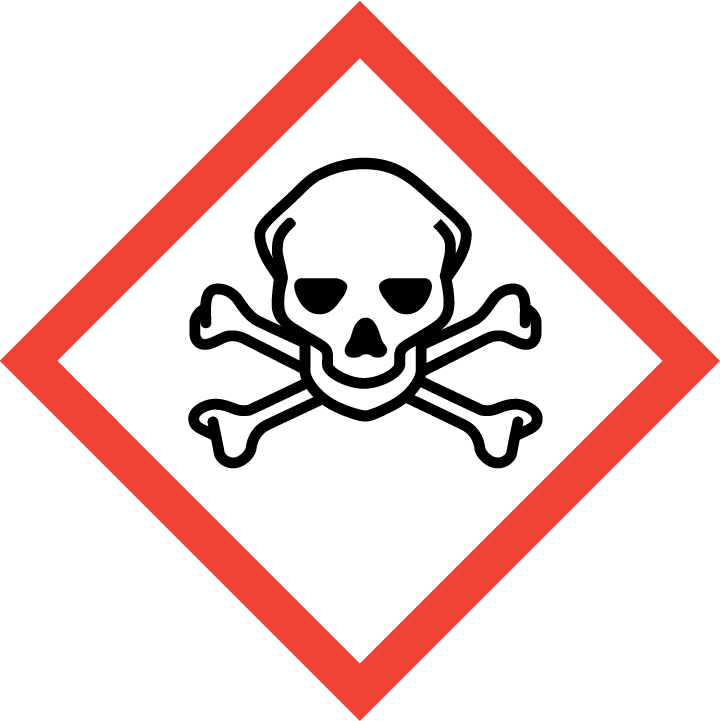
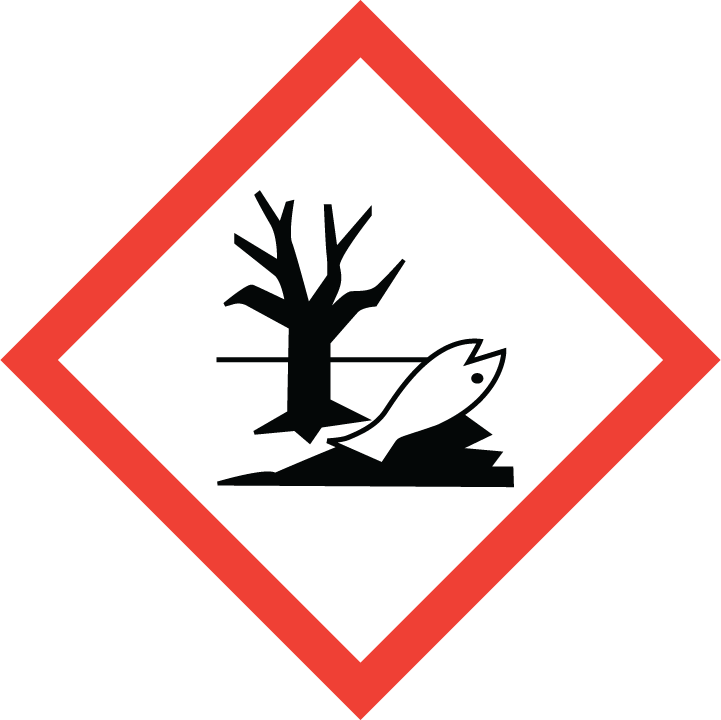
Signal word: Danger
Hazard statements
- H270 May cause or intensify fire; oxidiser.
- H331 Toxic if inhaled.
- H335 May cause respiratory irritation.
- H315 Causes skin irritation.
- H319 Causes serious eye irritation.
- H400 Very toxic to aquatic life.
- H280 Contains gas under pressure; may explode if heated.
Typical precautionary statements
- P220 Keep away from clothing and other combustible materials.
- P260 Do not breathe dust/fume/gas/mist/vapours/spray.
- P273 Avoid release to the environment.
- P280 Wear protective gloves/protective clothing/eye protection/face protection.
- P304+P340 IF INHALED: Remove person to fresh air and keep comfortable for breathing.
- P315 Get immediate medical advice/attention.
- P305+P351+P338 IF IN EYES: Rinse cautiously with water for several minutes. Remove contact lenses, if present and easy to do. Continue rinsing.
- P410+P403 Protect from sunlight. Store in a well-ventilated place.
Occupational exposure limits
| Country | Limit (8 h) | Short-term | Source |
|---|---|---|---|
| HU | 0.5 ppm / 1.5 mg/m³ | 5/2020. (II. 6.) ITM rendelet, 1. melléklet |
What to watch in your SDS
- Section 2: Pressure gas classification (H280 or H281) is not part of the harmonised entry; it is added by the supplier depending on how the gas is supplied.\n- Section 8: Hungary sets only a short-term limit for chlorine.\n- Section 14: UN 1017 (CHLORINE), class 2.3 (5.1, 8), environmentally hazardous.
Need an SDS for a product containing Chlorine?
Build a complete EU SDS with CLP classification in about 10 minutes, in up to 28 languages. Your first project is free, no card needed.
Make it your own →Frequently asked questions
How is Chlorine classified under CLP?
Harmonised classification (CLP Annex VI): Ox. Gas 1, H270; Press. Gas, null; Acute Tox. 3 (Inhalation) *, H331; STOT SE 3, H335; Skin Irrit. 2, H315; Eye Irrit. 2, H319; Aquatic Acute 1, H400.
What H-statements apply to Chlorine?
H270 (May cause or intensify fire; oxidiser.), H331 (Toxic if inhaled.), H335 (May cause respiratory irritation.), H315 (Causes skin irritation.), H319 (Causes serious eye irritation.), H400 (Very toxic to aquatic life.), H280 (Contains gas under pressure; may explode if heated.).
What should an SDS for a mixture with Chlorine include?
Classify the mixture by its own data and concentration limits, list Chlorine in Section 3 with CAS 7782-50-5, add the national exposure limits of every target country in Section 8, and check transport and national lists in Sections 14 and 15.
Data from the ECHA C&L Inventory. Information only; it does not replace the SDS of your supplier. Last verified: 2026-11-12.