 SDS Studio™
Identifiers
| CAS number | 67-66-3 |
|---|---|
| EC number | 200-663-8 |
| CLP Index number | 602-006-00-4 |
| Formula | CHCl3 |
| Synonyms | trichloromethane |
Classification
Harmonised classification (CLP Annex VI): Carc. 2, H351\r; Repr. 2, H361d\r; Acute Tox. 3 (Inhalation), H331\r; Acute Tox. 4 (Oral), H302\r; STOT RE 1, H372\r; Skin Irrit. 2, H315\r; Eye Irrit. 2, H319
Label elements
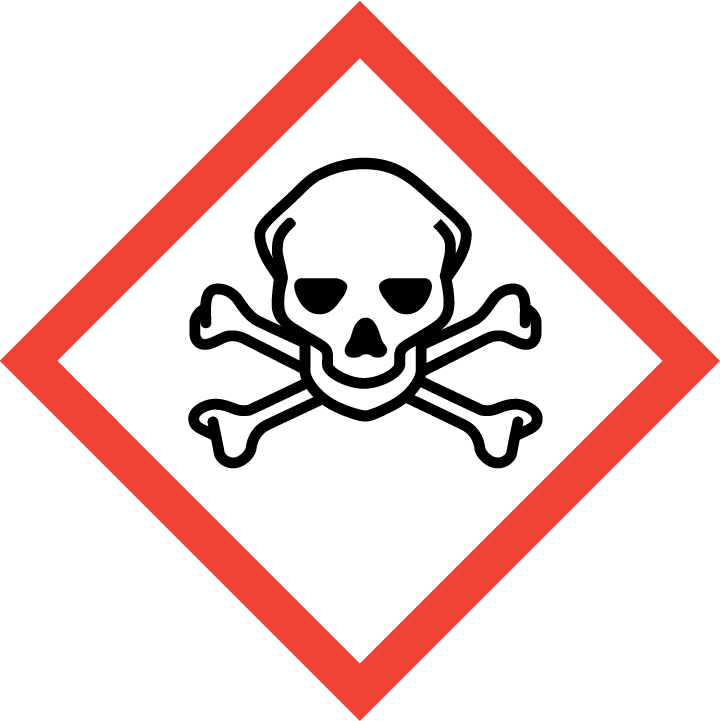
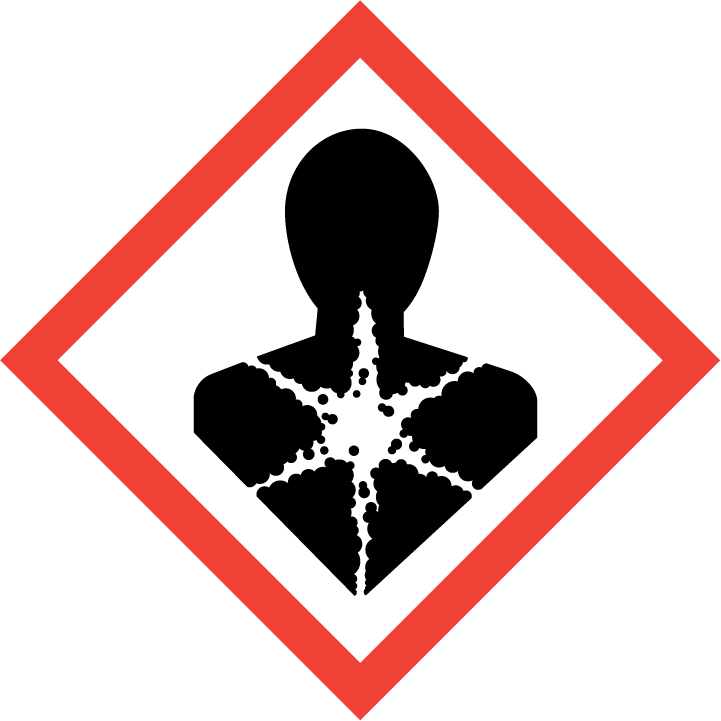
Signal word: Danger
Hazard statements
- H351 Suspected of causing cancer <state route of exposure if it is conclusively proven that no other routes of exposure cause the hazard>.
- H361d Suspected of damaging the unborn child.
- H331 Toxic if inhaled.
- H302 Harmful if swallowed.
- H372 Causes damage to organs <or state all organs affected, if known> through prolonged or repeated exposure <state route of exposure if it is conclusively proven that no other routes of exposure cause the hazard>.
- H315 Causes skin irritation.
- H319 Causes serious eye irritation.
Typical precautionary statements
- P203 Obtain, read and follow all safety instructions before use.
- P260 Do not breathe dust/fume/gas/mist/vapours/spray.
- P270 Do not eat, drink or smoke when using this product.
- P280 Wear protective gloves/protective clothing/eye protection/face protection.
- P304+P340 IF INHALED: Remove person to fresh air and keep comfortable for breathing.
- P308+P313 IF exposed or concerned: Get medical advice/ attention.
- P405 Store locked up.
- P305+P351+P338 IF IN EYES: Rinse cautiously with water for several minutes. Remove contact lenses, if present and easy to do. Continue rinsing.
Occupational exposure limits
| Country | Limit (8 h) | Short-term | Source |
|---|---|---|---|
| HU | 2 ppm / 10 mg/m³ | – | 5/2020. (II. 6.) ITM rendelet, 1. melléklet (EU IOELV) |
What to watch in your SDS
- Section 8: the Hungarian limit (5/2020. ITM, Annex 1) carries the skin notation „b”: dermal uptake contributes to exposure, so §8.2 skin protection must reflect it.\n- Section 2: STOT RE 1 (H372) applies to mixtures from 10% by generic limit; Carc. 2 and Repr. 2 from 1% and 3%.\n- Section 15: REACH Annex XVII entry 32 restricts supply to the general public at 0.1% or more.\n- Section 14: UN 1888, class 6.1, PG III.
Need an SDS for a product containing Chloroform?
Build a complete EU SDS with CLP classification in about 10 minutes, in up to 28 languages. Your first project is free, no card needed.
Make it your own →Frequently asked questions
How is Chloroform classified under CLP?
Harmonised classification (CLP Annex VI): Carc. 2, H351\r; Repr. 2, H361d\r; Acute Tox. 3 (Inhalation), H331\r; Acute Tox. 4 (Oral), H302\r; STOT RE 1, H372\r; Skin Irrit. 2, H315\r; Eye Irrit. 2, H319.
What H-statements apply to Chloroform?
H351 (Suspected of causing cancer <state route of exposure if it is conclusively proven that no other routes of exposure cause the hazard>.), H361d (Suspected of damaging the unborn child.), H331 (Toxic if inhaled.), H302 (Harmful if swallowed.), H372 (Causes damage to organs <or state all organs affected, if known> through prolonged or repeated exposure <state route of exposure if it is conclusively proven that no other routes of exposure cause the hazard>.), H315 (Causes skin irritation.), H319 (Causes serious eye irritation.).
What should an SDS for a mixture with Chloroform include?
Classify the mixture by its own data and concentration limits, list Chloroform in Section 3 with CAS 67-66-3, add the national exposure limits of every target country in Section 8, and check transport and national lists in Sections 14 and 15.
Data from the ECHA C&L Inventory. Information only; it does not replace the SDS of your supplier. Last verified: 2026-11-12.