 SDS Studio™
Identifiers
| CAS number | 109-89-7 |
|---|---|
| EC number | 203-716-3 |
| CLP Index number | 612-003-00-X |
| Formula | C4H11N |
Classification
Harmonised classification (CLP Annex VI): Flam. Liq. 2, H225; Acute Tox. 4 (Inhalation) *, H332; Acute Tox. 4 (Dermal) *, H312; Acute Tox. 4 (Oral) *, H302; Skin Corr. 1A, H314
Label elements
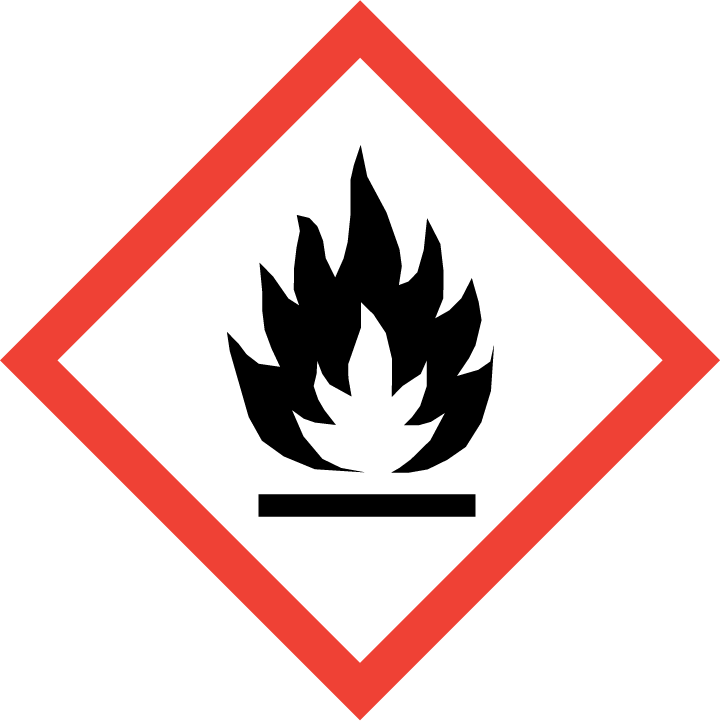
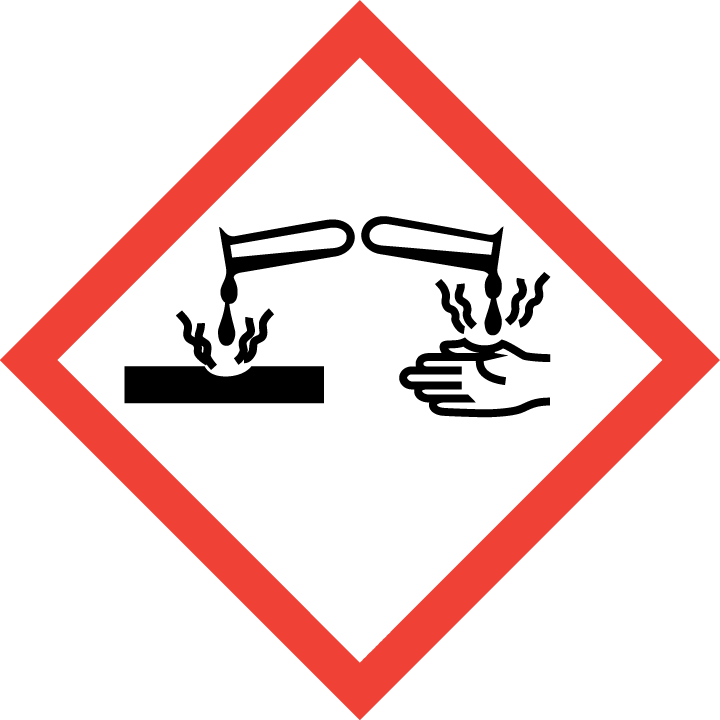

Signal word: Danger
Hazard statements
- H225 Highly flammable liquid and vapour.
- H332 Harmful if inhaled.
- H312 Harmful in contact with skin.
- H302 Harmful if swallowed.
- H314 Causes severe skin burns and eye damage.
Typical precautionary statements
- P210 Keep away from heat, hot surfaces, sparks, open flames and other ignition sources. No smoking.
- P260 Do not breathe dust/fume/gas/mist/vapours/spray.
- P280 Wear protective gloves/protective clothing/eye protection/face protection.
- P304+P340 IF INHALED: Remove person to fresh air and keep comfortable for breathing.
- P302+P352 IF ON SKIN: Wash with plenty of water/…
- P303+P361+P353 IF ON SKIN (or hair): Take off immediately all contaminated clothing. Rinse skin with water [or shower].
- P305+P351+P338 IF IN EYES: Rinse cautiously with water for several minutes. Remove contact lenses, if present and easy to do. Continue rinsing.
- P301+P312 IF SWALLOWED: Call a POISON CENTER/ doctor/… if you feel unwell.
Occupational exposure limits
| Country | Limit (8 h) | Short-term | Source |
|---|---|---|---|
| HU | 5 ppm / 15 mg/m³ | 10 ppm / 30 mg/m³ | 5/2020. (II. 6.) ITM rendelet, 1. melléklet |
What to watch in your SDS
- Section 2: specific concentration limits apply: H335 ≥ 1%.\n- Section 8: the Hungarian limit carries a skin notation (b); dermal uptake contributes to exposure.\n- Section 2: entries marked * are minimum classifications; use test data where available.\n- Section 14: confirm the UN number and packing group with the supplier's transport classification.
Need an SDS for a product containing Diethylamine?
Build a complete EU SDS with CLP classification in about 10 minutes, in up to 28 languages. Your first project is free, no card needed.
Make it your own →Frequently asked questions
How is Diethylamine classified under CLP?
Harmonised classification (CLP Annex VI): Flam. Liq. 2, H225; Acute Tox. 4 (Inhalation) *, H332; Acute Tox. 4 (Dermal) *, H312; Acute Tox. 4 (Oral) *, H302; Skin Corr. 1A, H314.
What H-statements apply to Diethylamine?
H225 (Highly flammable liquid and vapour.), H332 (Harmful if inhaled.), H312 (Harmful in contact with skin.), H302 (Harmful if swallowed.), H314 (Causes severe skin burns and eye damage.).
What should an SDS for a mixture with Diethylamine include?
Classify the mixture by its own data and concentration limits, list Diethylamine in Section 3 with CAS 109-89-7, add the national exposure limits of every target country in Section 8, and check transport and national lists in Sections 14 and 15.
Data from the ECHA C&L Inventory. Information only; it does not replace the SDS of your supplier. Last verified: 2026-11-12.