 SDS Studio™
Identifiers
| CAS number | 50-00-0 |
|---|---|
| EC number | 200-001-8 |
| CLP Index number | 605-001-00-5 |
| Formula | CH2O |
| Synonyms | methanal, formalin (aqueous solution) |
Classification
Harmonised classification (CLP Annex VI): Carc. 1B, H350; Muta. 2, H341; Acute Tox. 3 (Inhalation) *, H331; Acute Tox. 3 (Dermal) *, H311; Acute Tox. 3 (Oral) *, H301; Skin Corr. 1B, H314; Skin Sens. 1, H317
Label elements
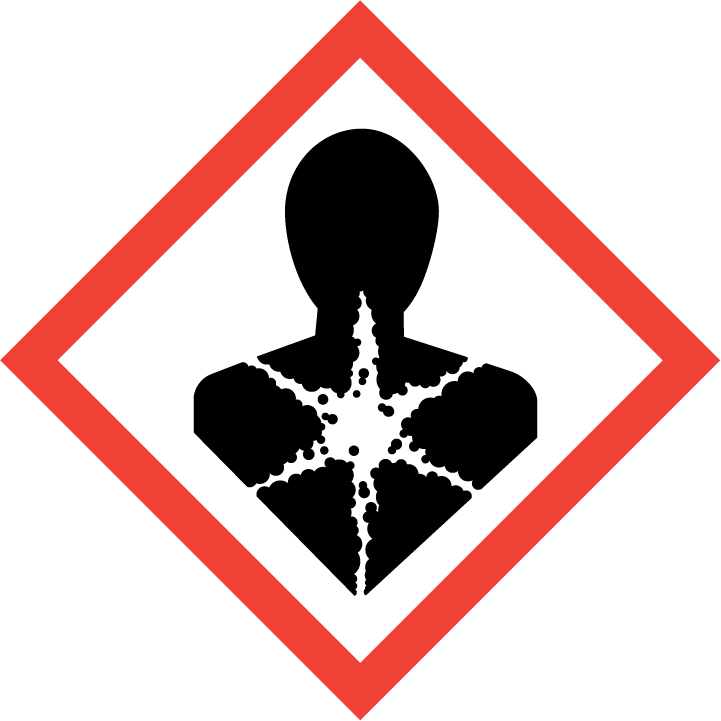
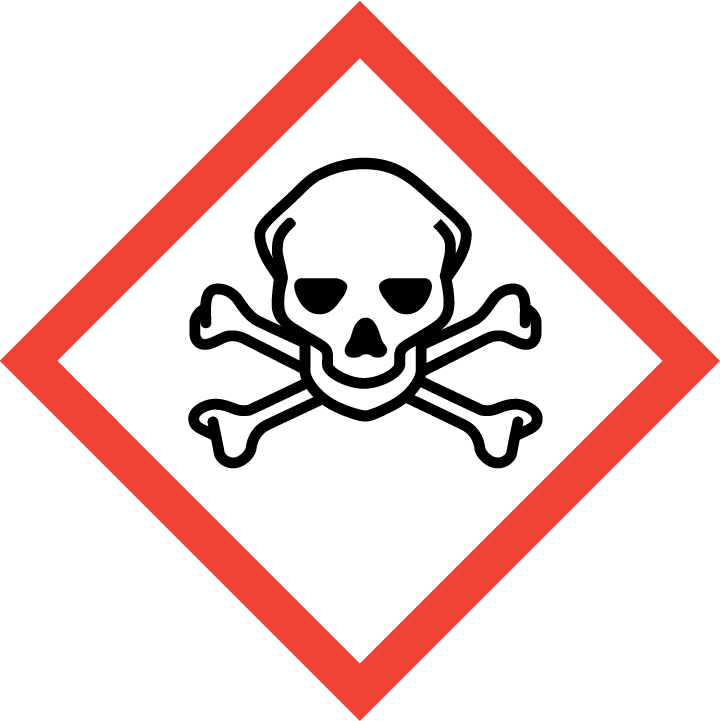
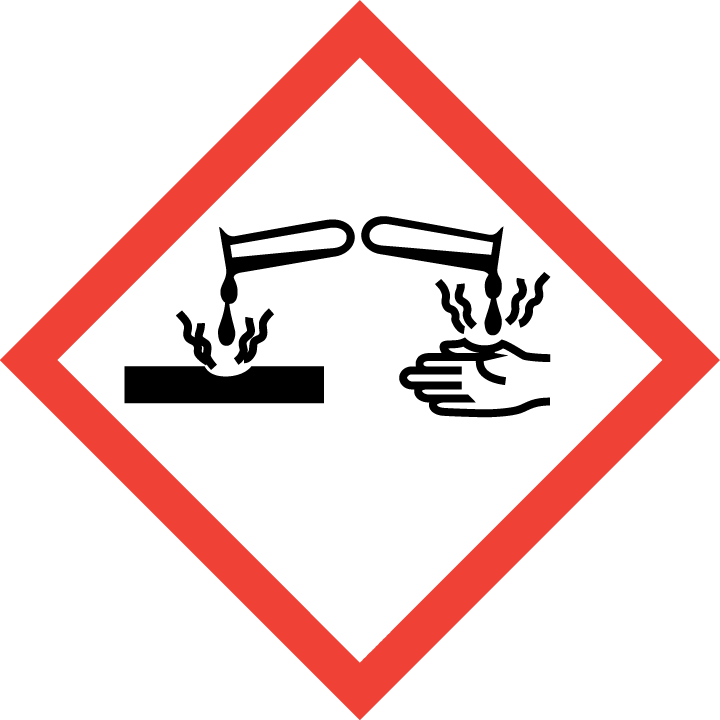
Signal word: Danger
Hazard statements
- H350 May cause cancer <state route of exposure if it is conclusively proven that no other routes of exposure cause the hazard>.
- H341 Suspected of causing genetic defects <state route of exposure if it is conclusively proven that no other routes of exposure cause the hazard>.
- H331 Toxic if inhaled.
- H311 Toxic in contact with skin.
- H301 Toxic if swallowed.
- H314 Causes severe skin burns and eye damage.
- H317 May cause an allergic skin reaction.
Typical precautionary statements
- P203 Obtain, read and follow all safety instructions before use.
- P260 Do not breathe dust/fume/gas/mist/vapours/spray.
- P280 Wear protective gloves/protective clothing/eye protection/face protection.
- P301+P310 IF SWALLOWED: Immediately call a POISON CENTER/doctor/ …
- P303+P361+P353 IF ON SKIN (or hair): Take off immediately all contaminated clothing. Rinse skin with water [or shower].
- P304+P340 IF INHALED: Remove person to fresh air and keep comfortable for breathing.
- P305+P351+P338 IF IN EYES: Rinse cautiously with water for several minutes. Remove contact lenses, if present and easy to do. Continue rinsing.
- P308+P313 IF exposed or concerned: Get medical advice/ attention.
Occupational exposure limits
| Country | Limit (8 h) | Short-term | Source |
|---|---|---|---|
| HU | 0.3 ppm / 0.37 mg/m³ | 0.6 ppm / 0.74 mg/m³ | 5/2020. (II. 6.) ITM rendelet, 1. melléklet |
What to watch in your SDS
- Section 8: the Hungarian limit (5/2020. ITM, Annex 1) carries the skin notation „b”: dermal uptake contributes to exposure, so §8.2 skin protection must reflect it.\n- Section 2: specific concentration limits apply: H314 ≥ 25%, H315/H319/H335 ≥ 5%, H317 ≥ 0.2%; Carc. 1B (H350) applies from 0.1%.\n- Section 15: REACH Annex XVII entry 77 limits formaldehyde emissions from articles and vehicles.\n- Section 14: formalin solutions are UN 2209 (≥ 25%) or UN 1198 (flammable solutions).
Need an SDS for a product containing Formaldehyde?
Build a complete EU SDS with CLP classification in about 10 minutes, in up to 28 languages. Your first project is free, no card needed.
Make it your own →Frequently asked questions
How is Formaldehyde classified under CLP?
Harmonised classification (CLP Annex VI): Carc. 1B, H350; Muta. 2, H341; Acute Tox. 3 (Inhalation) *, H331; Acute Tox. 3 (Dermal) *, H311; Acute Tox. 3 (Oral) *, H301; Skin Corr. 1B, H314; Skin Sens. 1, H317.
What H-statements apply to Formaldehyde?
H350 (May cause cancer <state route of exposure if it is conclusively proven that no other routes of exposure cause the hazard>.), H341 (Suspected of causing genetic defects <state route of exposure if it is conclusively proven that no other routes of exposure cause the hazard>.), H331 (Toxic if inhaled.), H311 (Toxic in contact with skin.), H301 (Toxic if swallowed.), H314 (Causes severe skin burns and eye damage.), H317 (May cause an allergic skin reaction.).
What should an SDS for a mixture with Formaldehyde include?
Classify the mixture by its own data and concentration limits, list Formaldehyde in Section 3 with CAS 50-00-0, add the national exposure limits of every target country in Section 8, and check transport and national lists in Sections 14 and 15.
Data from the ECHA C&L Inventory. Information only; it does not replace the SDS of your supplier. Last verified: 2026-11-12.