 SDS Studio™
Identifiers
| CAS number | 75-28-5 |
|---|---|
| EC number | 200-857-2 |
| CLP Index number | 601-004-00-0 |
| Formula | C4H10 |
| Synonyms | 2-methylpropane, R-600a |
Classification
Harmonised classification (CLP Annex VI): Flam. Gas 1, H220; Press. Gas, H280
Label elements
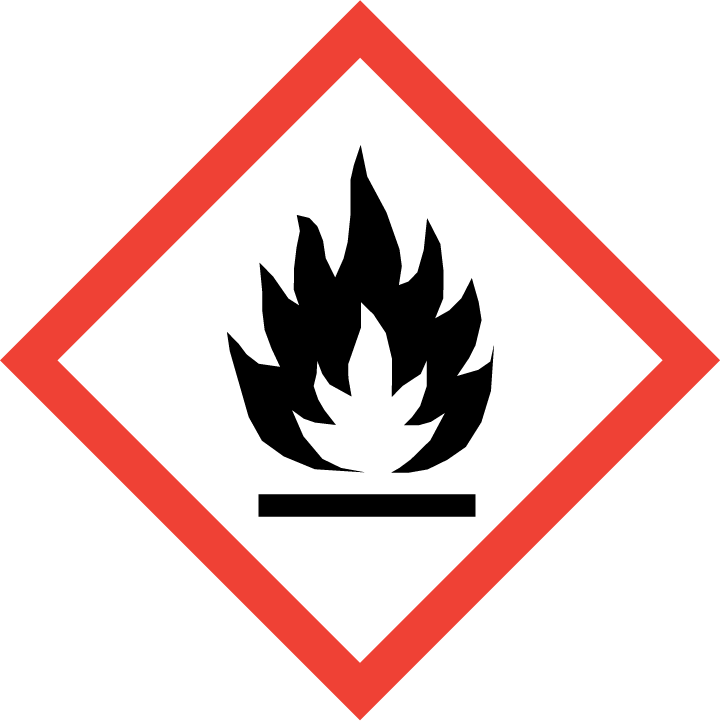
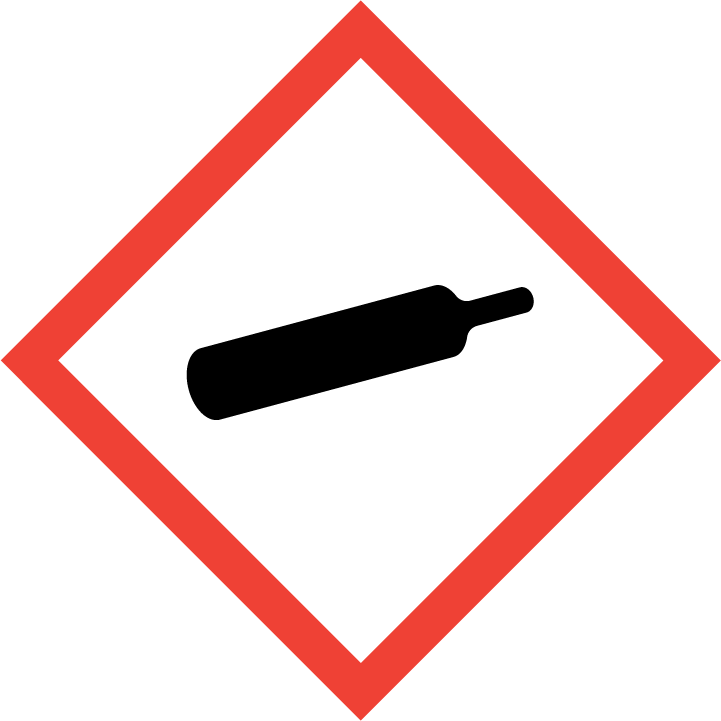
Signal word: Danger
Hazard statements
- H220 Extremely flammable gas.
- H280 Contains gas under pressure; may explode if heated.
Typical precautionary statements
- P210 Keep away from heat, hot surfaces, sparks, open flames and other ignition sources. No smoking.
- P377 Leaking gas fire: Do not extinguish, unless leak can be stopped safely.
- P381 In case of leakage, eliminate all ignition sources.
- P403 Store in a well-ventilated place.
- P410+P403 Protect from sunlight. Store in a well-ventilated place.
What to watch in your SDS
- Section 2: Annex VI entry shared with butane; Note C and Note U apply, so the Press. Gas category is set by the supplier.\n- Section 2: aerosols with isobutane are classified under the aerosol criteria.\n- Section 14: isobutane is UN 1969, class 2.1.
Need an SDS for a product containing Isobutane?
Build a complete EU SDS with CLP classification in about 10 minutes, in up to 28 languages. Your first project is free, no card needed.
Make it your own →Frequently asked questions
How is Isobutane classified under CLP?
Harmonised classification (CLP Annex VI): Flam. Gas 1, H220; Press. Gas, H280.
What H-statements apply to Isobutane?
H220 (Extremely flammable gas.), H280 (Contains gas under pressure; may explode if heated.).
What should an SDS for a mixture with Isobutane include?
Classify the mixture by its own data and concentration limits, list Isobutane in Section 3 with CAS 75-28-5, add the national exposure limits of every target country in Section 8, and check transport and national lists in Sections 14 and 15.
Data from the ECHA C&L Inventory. Information only; it does not replace the SDS of your supplier. Last verified: 2026-11-12.