 SDS Studio™
Identifiers
| CAS number | 78-70-6 |
|---|---|
| EC number | 201-134-4 |
| CLP Index number | 603-235-00-2 |
| Formula | C10H18O |
| Synonyms | 3,7-dimethylocta-1,6-dien-3-ol |
Classification
Harmonised classification (CLP Annex VI): Skin Sens. 1B, H317
Label elements
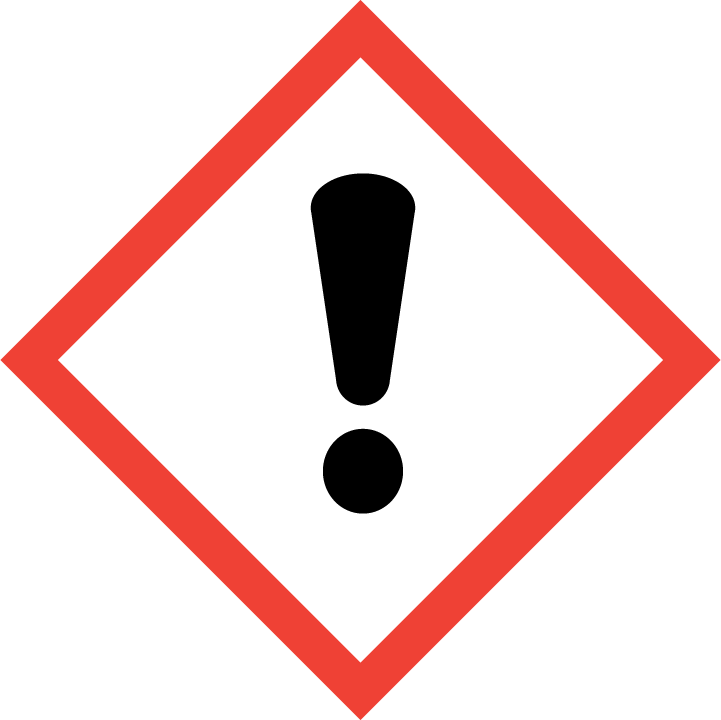
Signal word: Warning
Hazard statements
- H317 May cause an allergic skin reaction.
Typical precautionary statements
- P261 Avoid breathing dust/fume/gas/mist/vapours/ spray.
- P272 Contaminated work clothing should not be allowed out of the workplace.
- P280 Wear protective gloves/protective clothing/eye protection/face protection.
- P302+P352 IF ON SKIN: Wash with plenty of water/…
- P333+P313 If skin irritation or rash occurs: Get medical advice/attention.
- P362+P364 Take off contaminated clothing and wash it before reuse.
What to watch in your SDS
- Section 2: harmonised as Skin Sens. 1B (H317); suppliers often add Skin Irrit. 2 and Eye Irrit. 2.\n- Section 15: for cosmetics, check Annex III of Regulation (EC) No 1223/2009; for detergents, Regulation (EC) No 648/2004 allergen labelling.
Need an SDS for a product containing Linalool?
Build a complete EU SDS with CLP classification in about 10 minutes, in up to 28 languages. Your first project is free, no card needed.
Make it your own →Frequently asked questions
How is Linalool classified under CLP?
Harmonised classification (CLP Annex VI): Skin Sens. 1B, H317.
What H-statements apply to Linalool?
H317 (May cause an allergic skin reaction.).
What should an SDS for a mixture with Linalool include?
Classify the mixture by its own data and concentration limits, list Linalool in Section 3 with CAS 78-70-6, add the national exposure limits of every target country in Section 8, and check transport and national lists in Sections 14 and 15.
Data from the ECHA C&L Inventory. Information only; it does not replace the SDS of your supplier. Last verified: 2026-11-12.