 SDS Studio™
Identifiers
| CAS number | 110-54-3 |
|---|---|
| EC number | 203-777-6 |
| CLP Index number | 601-037-00-0 |
| Formula | C6H14 |
| Synonyms | hexane |
Classification
Harmonised classification (CLP Annex VI): Flam. Liq. 2, H225; Repr. 2, H361f; Asp. Tox. 1, H304; STOT SE 3, H336; STOT RE 2, H373; Skin Irrit. 2, H315; Aquatic Chronic 2, H411
Label elements
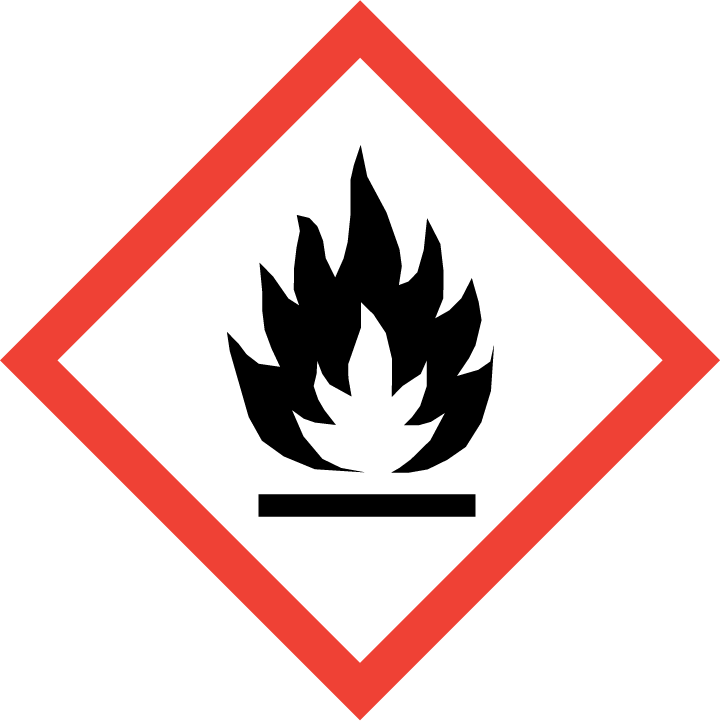
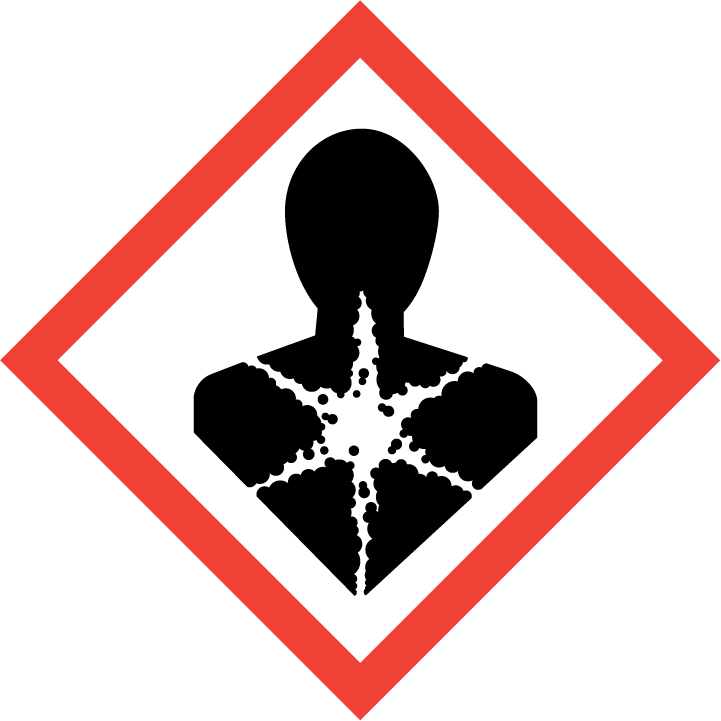

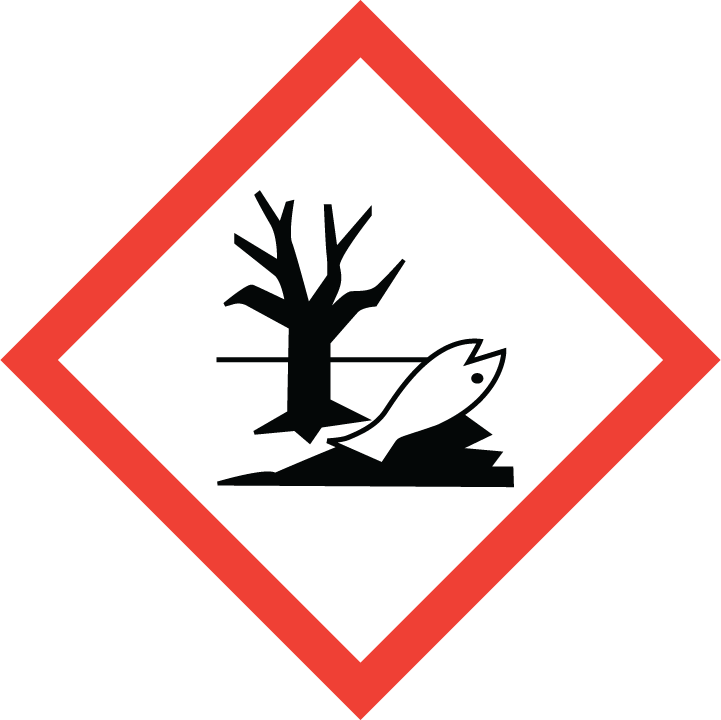
Signal word: Danger
Hazard statements
- H225 Highly flammable liquid and vapour.
- H361f Suspected of damaging fertility.
- H304 May be fatal if swallowed and enters airways.
- H336 May cause drowsiness or dizziness.
- H373 May cause damage to organs <or state all organs affected, if known> through prolonged or repeated exposure <state route of exposure if it is conclusively proven that no other routes of exposure cause the hazard>.
- H315 Causes skin irritation.
- H411 Toxic to aquatic life with long lasting effects.
Typical precautionary statements
- P203 Obtain, read and follow all safety instructions before use.
- P210 Keep away from heat, hot surfaces, sparks, open flames and other ignition sources. No smoking.
- P240 Ground and bond container and receiving equipment.
- P273 Avoid release to the environment.
- P280 Wear protective gloves/protective clothing/eye protection/face protection.
- P301+P310 IF SWALLOWED: Immediately call a POISON CENTER/doctor/ …
- P331 Do NOT induce vomiting.
- P403+P235 Store in a well-ventilated place. Keep cool.
Occupational exposure limits
| Country | Limit (8 h) | Short-term | Source |
|---|---|---|---|
| HU | 20 ppm / 72 mg/m³ | – | 5/2020. (II. 6.) ITM rendelet, 1. melléklet (EU IOELV) |
What to watch in your SDS
- Section 8: the Hungarian limit (5/2020. ITM, Annex 1) carries the skin notation „b”: dermal uptake contributes to exposure, so §8.2 skin protection must reflect it.\n- Section 2: STOT RE 2 (H373) has a specific concentration limit of 5%; H304 applies from 10% only at low viscosity.\n- Section 3: commercial hexane grades contain other isomers; check the n-hexane content.\n- Section 14: UN 1208, class 3, PG II, environmentally hazardous.
Need an SDS for a product containing n-Hexane?
Build a complete EU SDS with CLP classification in about 10 minutes, in up to 28 languages. Your first project is free, no card needed.
Make it your own →Frequently asked questions
How is n-Hexane classified under CLP?
Harmonised classification (CLP Annex VI): Flam. Liq. 2, H225; Repr. 2, H361f; Asp. Tox. 1, H304; STOT SE 3, H336; STOT RE 2, H373; Skin Irrit. 2, H315; Aquatic Chronic 2, H411.
What H-statements apply to n-Hexane?
H225 (Highly flammable liquid and vapour.), H361f (Suspected of damaging fertility.), H304 (May be fatal if swallowed and enters airways.), H336 (May cause drowsiness or dizziness.), H373 (May cause damage to organs <or state all organs affected, if known> through prolonged or repeated exposure <state route of exposure if it is conclusively proven that no other routes of exposure cause the hazard>.), H315 (Causes skin irritation.), H411 (Toxic to aquatic life with long lasting effects.).
What should an SDS for a mixture with n-Hexane include?
Classify the mixture by its own data and concentration limits, list n-Hexane in Section 3 with CAS 110-54-3, add the national exposure limits of every target country in Section 8, and check transport and national lists in Sections 14 and 15.
Data from the ECHA C&L Inventory. Information only; it does not replace the SDS of your supplier. Last verified: 2026-11-12.