 SDS Studio™
Identifiers
| CAS number | 120-80-9 |
|---|---|
| EC number | 204-427-5 |
| CLP Index number | 604-016-00-4 |
| Formula | C6H6O2 |
| Synonyms | catechol, 1,2-dihydroxybenzene |
Classification
Harmonised classification (CLP Annex VI): Carc. 1B, H350; Muta. 2, H341; Acute Tox. 3 (Dermal), H311; Acute Tox. 3 (Oral), H301; Skin Irrit. 2, H315; Eye Irrit. 2, H319
Label elements
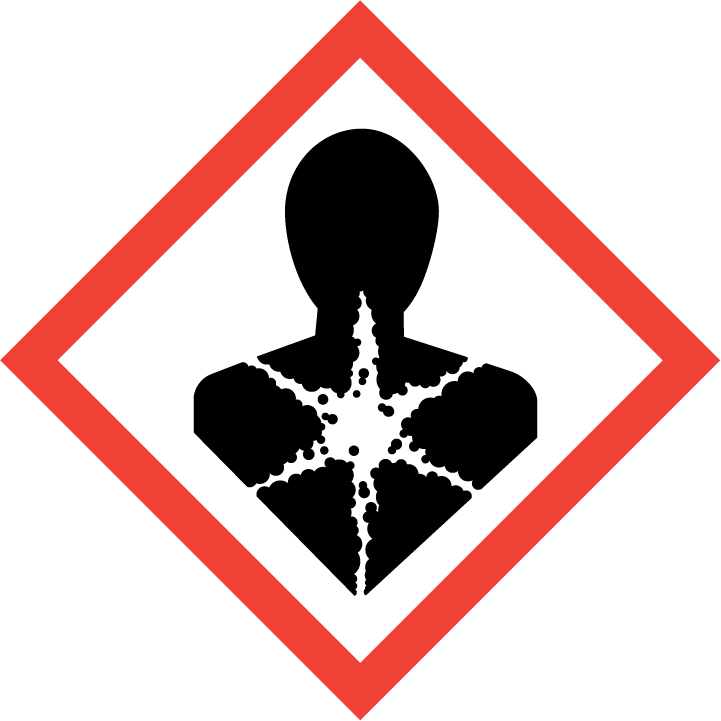
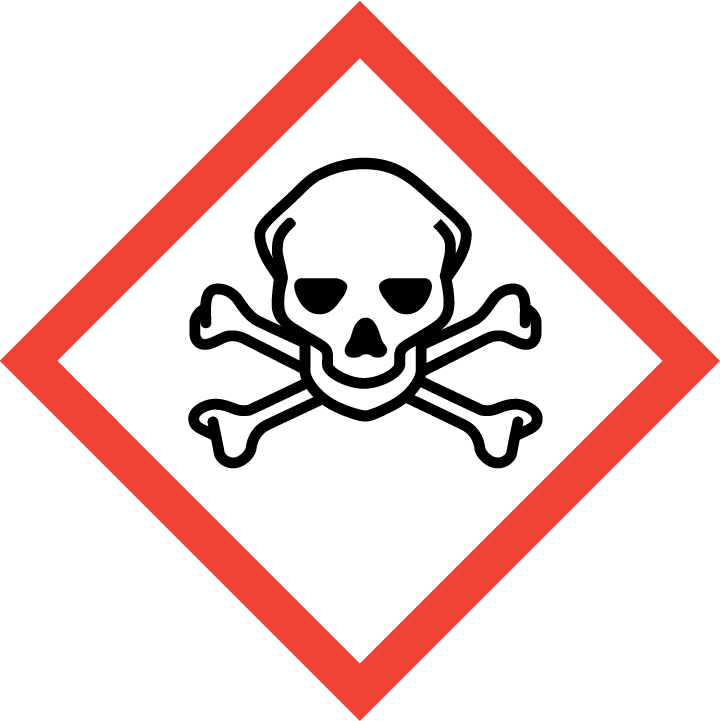
Signal word: Danger
Hazard statements
- H350 May cause cancer <state route of exposure if it is conclusively proven that no other routes of exposure cause the hazard>.
- H341 Suspected of causing genetic defects <state route of exposure if it is conclusively proven that no other routes of exposure cause the hazard>.
- H311 Toxic in contact with skin.
- H301 Toxic if swallowed.
- H315 Causes skin irritation.
- H319 Causes serious eye irritation.
Typical precautionary statements
- P203 Obtain, read and follow all safety instructions before use.
- P262 Do not get in eyes, on skin, or on clothing.
- P280 Wear protective gloves/protective clothing/eye protection/face protection.
- P301+P310 IF SWALLOWED: Immediately call a POISON CENTER/doctor/ …
- P302+P352 IF ON SKIN: Wash with plenty of water/…
- P308+P313 IF exposed or concerned: Get medical advice/ attention.
- P361+P364 Take off immediately all contaminated clothing and wash it before reuse.
- P305+P351+P338 IF IN EYES: Rinse cautiously with water for several minutes. Remove contact lenses, if present and easy to do. Continue rinsing.
What to watch in your SDS
- Section 2: Carc. 1B (H350) applies to mixtures from 0.1%; Muta. 2 (H341) from 1%.\n- Section 14: UN 2811 (TOXIC SOLID, ORGANIC, N.O.S.), class 6.1, PG III.
Need an SDS for a product containing Pyrocatechol?
Build a complete EU SDS with CLP classification in about 10 minutes, in up to 28 languages. Your first project is free, no card needed.
Make it your own →Frequently asked questions
How is Pyrocatechol classified under CLP?
Harmonised classification (CLP Annex VI): Carc. 1B, H350; Muta. 2, H341; Acute Tox. 3 (Dermal), H311; Acute Tox. 3 (Oral), H301; Skin Irrit. 2, H315; Eye Irrit. 2, H319.
What H-statements apply to Pyrocatechol?
H350 (May cause cancer <state route of exposure if it is conclusively proven that no other routes of exposure cause the hazard>.), H341 (Suspected of causing genetic defects <state route of exposure if it is conclusively proven that no other routes of exposure cause the hazard>.), H311 (Toxic in contact with skin.), H301 (Toxic if swallowed.), H315 (Causes skin irritation.), H319 (Causes serious eye irritation.).
What should an SDS for a mixture with Pyrocatechol include?
Classify the mixture by its own data and concentration limits, list Pyrocatechol in Section 3 with CAS 120-80-9, add the national exposure limits of every target country in Section 8, and check transport and national lists in Sections 14 and 15.
Data from the ECHA C&L Inventory. Information only; it does not replace the SDS of your supplier. Last verified: 2026-11-12.