 SDS Studio™
Identifiers
| CAS number | 26628-22-8 |
|---|---|
| EC number | 247-852-1 |
| CLP Index number | 011-004-00-7 |
| Formula | NaN3 |
Classification
Harmonised classification (CLP Annex VI): Acute Tox. 2 (Oral) *, H300; Aquatic Acute 1, H400; Aquatic Chronic 1, H410
Label elements
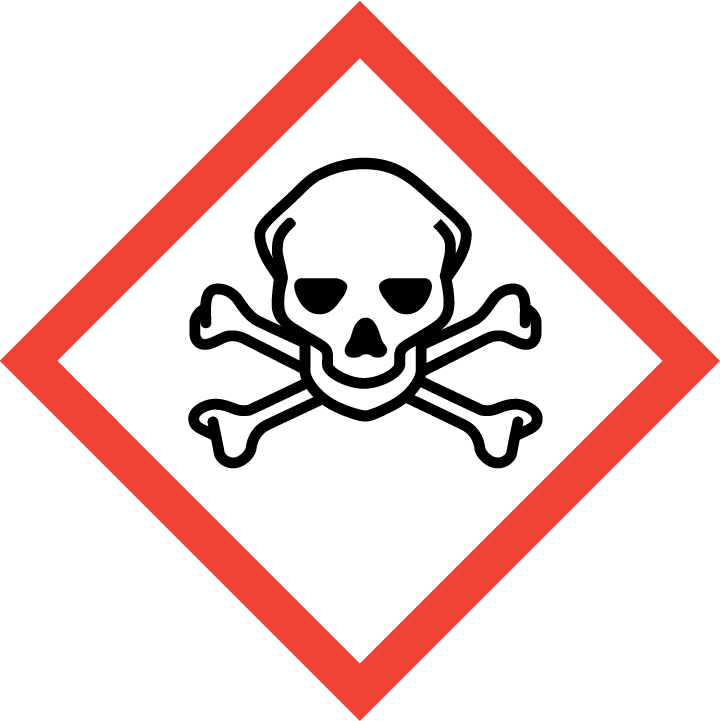
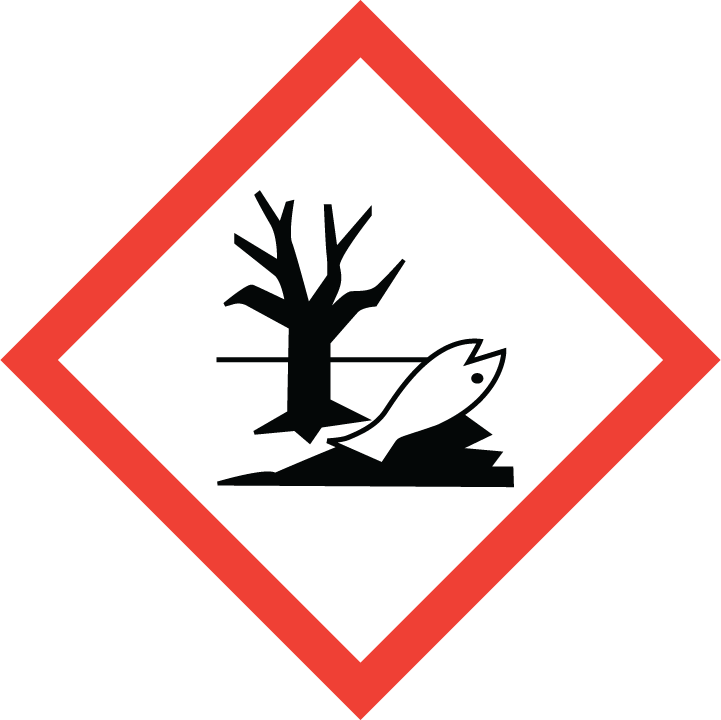
Signal word: Danger
Hazard statements
- H300 Fatal if swallowed.
- H400 Very toxic to aquatic life.
- H410 Very toxic to aquatic life with long lasting effects.
- EUH032 Contact with acids liberates very toxic gas.
Typical precautionary statements
- P264 Wash … thoroughly after handling.
- P301+P310 IF SWALLOWED: Immediately call a POISON CENTER/doctor/ …
- P273 Avoid release to the environment.
- P391 Collect spillage.
Occupational exposure limits
| Country | Limit (8 h) | Short-term | Source |
|---|---|---|---|
| HU | 0.1 mg/m³ | 0.3 mg/m³ | 5/2020. (II. 6.) ITM rendelet, 1. melléklet |
What to watch in your SDS
- Section 2: include the supplemental statement(s) EUH032.\n- Section 2: entries marked * are minimum classifications; use test data where available.\n- Section 14: confirm the UN number and packing group with the supplier's transport classification.
Need an SDS for a product containing Sodium azide?
Build a complete EU SDS with CLP classification in about 10 minutes, in up to 28 languages. Your first project is free, no card needed.
Make it your own →Frequently asked questions
How is Sodium azide classified under CLP?
Harmonised classification (CLP Annex VI): Acute Tox. 2 (Oral) *, H300; Aquatic Acute 1, H400; Aquatic Chronic 1, H410.
What H-statements apply to Sodium azide?
H300 (Fatal if swallowed.), H400 (Very toxic to aquatic life.), H410 (Very toxic to aquatic life with long lasting effects.), EUH032 (Contact with acids liberates very toxic gas.).
What should an SDS for a mixture with Sodium azide include?
Classify the mixture by its own data and concentration limits, list Sodium azide in Section 3 with CAS 26628-22-8, add the national exposure limits of every target country in Section 8, and check transport and national lists in Sections 14 and 15.
Data from the ECHA C&L Inventory. Information only; it does not replace the SDS of your supplier. Last verified: 2026-11-12.