 SDS Studio™
Identifiers
| CAS number | 7681-52-9 |
|---|---|
| EC number | 231-668-3 |
| CLP Index number | 017-011-00-1 |
| Formula | NaClO |
| Synonyms | bleach, sodium hypochlorite solution |
Classification
Harmonised classification (CLP Annex VI): Skin Corr. 1B, H314; Eye Dam. 1, H318; Aquatic Acute 1, H400; Aquatic Chronic 1, H410
Label elements
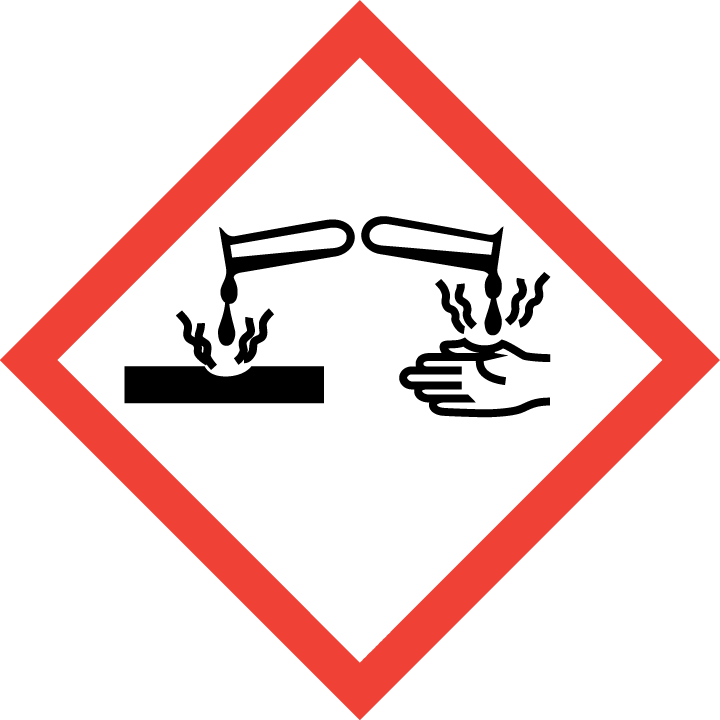
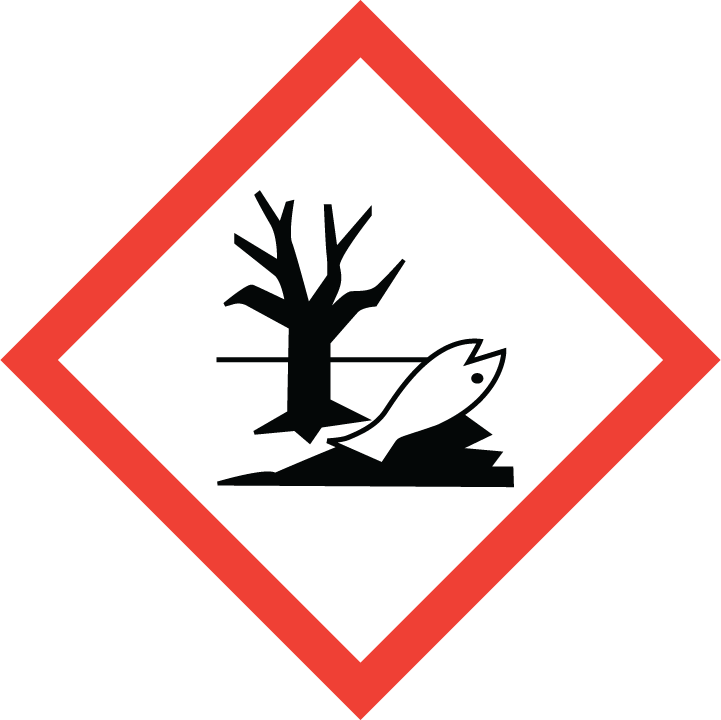
Signal word: Danger
Hazard statements
- H314 Causes severe skin burns and eye damage.
- H318 Causes serious eye damage.
- H400 Very toxic to aquatic life.
- H410 Very toxic to aquatic life with long lasting effects.
- EUH031 Contact with acids liberates toxic gas.
Typical precautionary statements
- P260 Do not breathe dust/fume/gas/mist/vapours/spray.
- P273 Avoid release to the environment.
- P280 Wear protective gloves/protective clothing/eye protection/face protection.
- P303+P361+P353 IF ON SKIN (or hair): Take off immediately all contaminated clothing. Rinse skin with water [or shower].
- P305+P351+P338 IF IN EYES: Rinse cautiously with water for several minutes. Remove contact lenses, if present and easy to do. Continue rinsing.
- P310 Immediately call a POISON CENTER/doctor/ …
- P391 Collect spillage.
- P501 Dispose of contents/container to …
What to watch in your SDS
- Section 2: add EUH031 (contact with acids liberates toxic gas) from 5% active chlorine; check M-factors for the environmental classification.\n- Section 7: never store with acids.\n- Section 14: solutions are typically UN 1791 (HYPOCHLORITE SOLUTION), class 8, and may be environmentally hazardous.\n- Section 15: disinfectant uses fall under the Biocidal Products Regulation (EU) 528/2012; detergent uses under Regulation (EC) 648/2004.
Sample SDS preview
This full 16-section sample SDS was generated in SDS Studio™ for the substance, with a fictitious supplier. It shows the format your own SDS gets. Download the sample PDF or create the SDS for your own product.
Need an SDS for a product containing Sodium hypochlorite?
Build a complete EU SDS with CLP classification in about 10 minutes, in up to 28 languages. Your first project is free, no card needed.
Make it your own →Frequently asked questions
How is Sodium hypochlorite classified under CLP?
Harmonised classification (CLP Annex VI): Skin Corr. 1B, H314; Eye Dam. 1, H318; Aquatic Acute 1, H400; Aquatic Chronic 1, H410.
What H-statements apply to Sodium hypochlorite?
H314 (Causes severe skin burns and eye damage.), H318 (Causes serious eye damage.), H400 (Very toxic to aquatic life.), H410 (Very toxic to aquatic life with long lasting effects.), EUH031 (Contact with acids liberates toxic gas.).
What should an SDS for a mixture with Sodium hypochlorite include?
Classify the mixture by its own data and concentration limits, list Sodium hypochlorite in Section 3 with CAS 7681-52-9, add the national exposure limits of every target country in Section 8, and check transport and national lists in Sections 14 and 15.
Data from the ECHA C&L Inventory. Information only; it does not replace the SDS of your supplier.