 SDS Studio™
Identifiers
| CAS number | 1314-13-2 |
|---|---|
| EC number | 215-222-5 |
| CLP Index number | 030-013-00-7 |
| Formula | ZnO |
| Synonyms | zinc white, C.I. Pigment White 4 |
Classification
Harmonised classification (CLP Annex VI): Aquatic Acute 1, H400; Aquatic Chronic 1, H410
Label elements
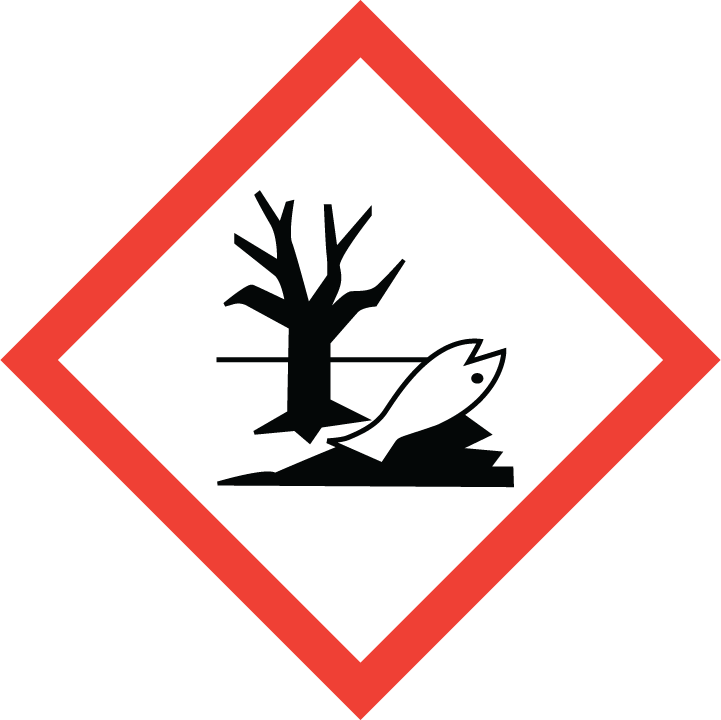
Signal word: Warning
Hazard statements
- H400 Very toxic to aquatic life.
- H410 Very toxic to aquatic life with long lasting effects.
Typical precautionary statements
- P273 Avoid release to the environment.
- P391 Collect spillage.
- P501 Dispose of contents/container to …
Occupational exposure limits
| Country | Limit (8 h) | Short-term | Source |
|---|---|---|---|
| HU | 5 mg/m³ (dust and fume) | – | 5/2020. (II. 6.) ITM rendelet, 1. melléklet |
What to watch in your SDS
- Section 2: environmental classification drives the mixture result; apply the M-factors from the supplier SDS if given.\n- Section 12: report aquatic toxicity data for zinc ions.\n- Section 14: solid zinc oxide is usually UN 3077, class 9, environmentally hazardous, in packages above 5 kg/5 L.
Need an SDS for a product containing Zinc oxide?
Build a complete EU SDS with CLP classification in about 10 minutes, in up to 28 languages. Your first project is free, no card needed.
Make it your own →Frequently asked questions
How is Zinc oxide classified under CLP?
Harmonised classification (CLP Annex VI): Aquatic Acute 1, H400; Aquatic Chronic 1, H410.
What H-statements apply to Zinc oxide?
H400 (Very toxic to aquatic life.), H410 (Very toxic to aquatic life with long lasting effects.).
What should an SDS for a mixture with Zinc oxide include?
Classify the mixture by its own data and concentration limits, list Zinc oxide in Section 3 with CAS 1314-13-2, add the national exposure limits of every target country in Section 8, and check transport and national lists in Sections 14 and 15.
Data from the ECHA C&L Inventory. Information only; it does not replace the SDS of your supplier. Last verified: 2026-11-12.