H2xx physical, H3xx health and H4xx environmental hazards from CLP Annex III. Open a code for its official text in every EU language.
| H200 | Unstable explosives. | 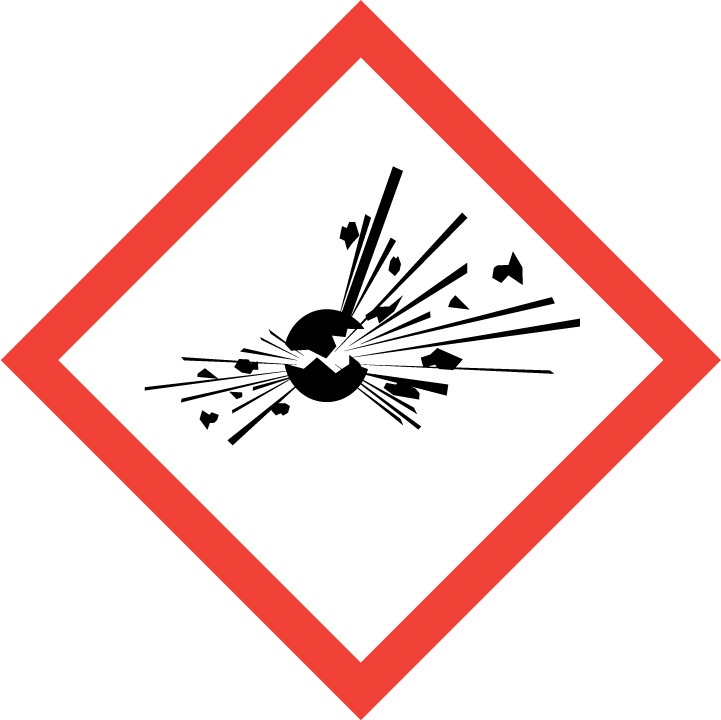 |
| H201 | Explosive; mass explosion hazard. | |
| H202 | Explosive, severe projection hazard. | |
| H203 | Explosive; fire, blast or projection hazard. | |
| H204 | Fire or projection hazard. | |
| H205 | May mass explode in fire. | |
| H206 | Fire, blast or projection hazard; increased risk of explosion if desensitising agent is reduced. | 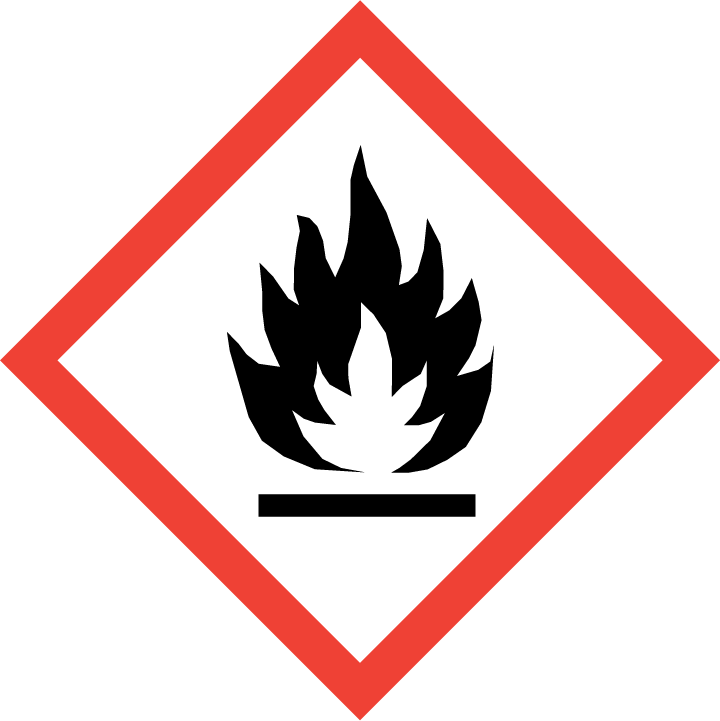 |
| H207 | Fire or projection hazard; increased risk of explosion if desensitising agent is reduced. | |
| H208 | Fire hazard; increased risk of explosion if desensitizing agent is reduced. | |
| H220 | Extremely flammable gas. | |
| H221 | Flammable gas. | |
| H222 | Extremely flammable aerosol. | |
| H223 | Flammable aerosol. | |
| H224 | Extremely flammable liquid and vapour. | |
| H225 | Highly flammable liquid and vapour. | |
| H226 | Flammable liquid and vapour. | |
| H228 | Flammable solid. | |
| H229 | Pressurised container: May burst if heated. | |
| H230 | May react explosively even in the absence of air. | |
| H231 | May react explosively even in the absence of air at elevated pressure and/or temperature. | |
| H232 | May ignite spontaneously if exposed to air. | |
| H240 | Heating may cause an explosion. | |
| H241 | Heating may cause a fire or explosion. | |
| H242 | Heating may cause a fire. | |
| H250 | Catches fire spontaneously if exposed to air. | |
| H251 | Self-heating: may catch fire. | |
| H252 | Self-heating in large quantities; may catch fire. | |
| H260 | In contact with water releases flammable gases which may ignite spontaneously. | |
| H261 | In contact with water releases flammable gases. | |
| H270 | May cause or intensify fire; oxidiser. | 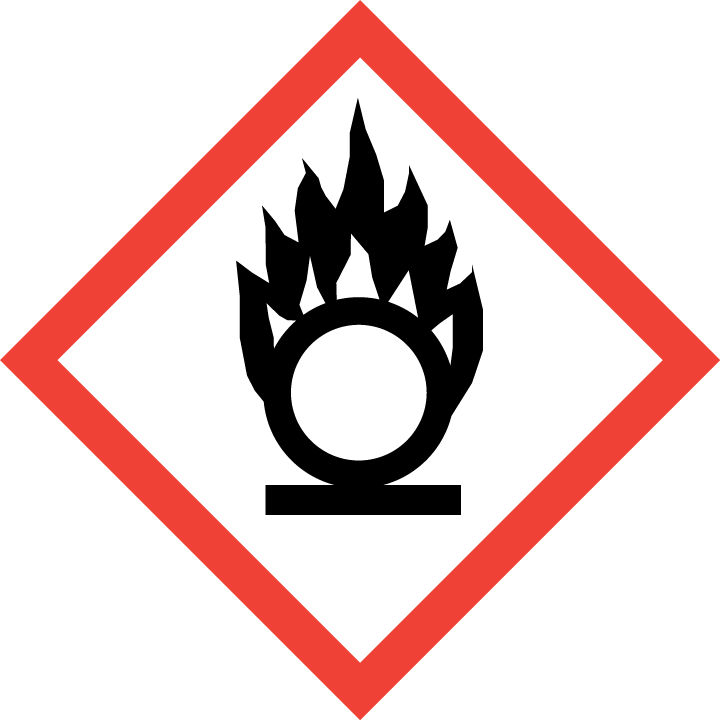 |
| H271 | May cause fire or explosion; strong oxidiser. | |
| H272 | May intensify fire; oxidiser. | |
| H280 | Contains gas under pressure; may explode if heated. | 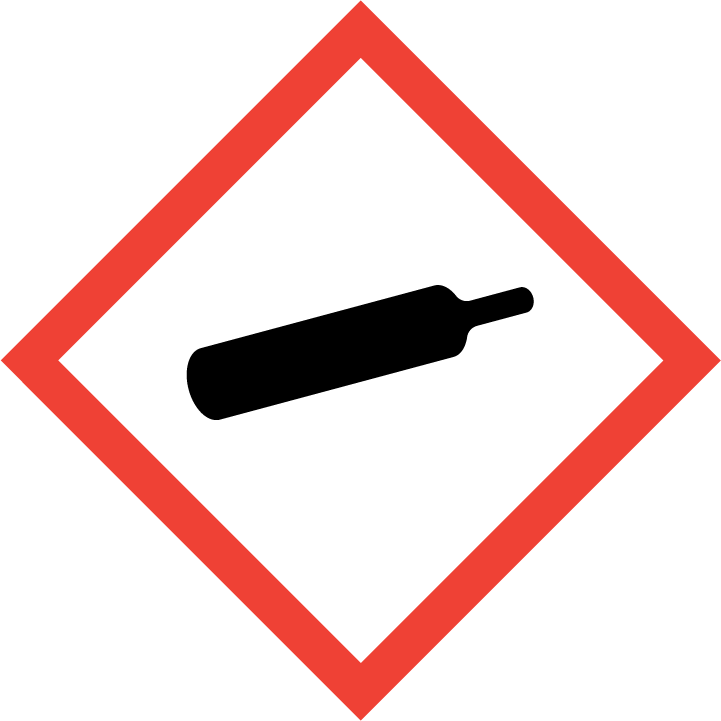 |
| H281 | Contains refrigerated gas; may cause cryogenic burns or injury. | |
| H290 | May be corrosive to metals. | 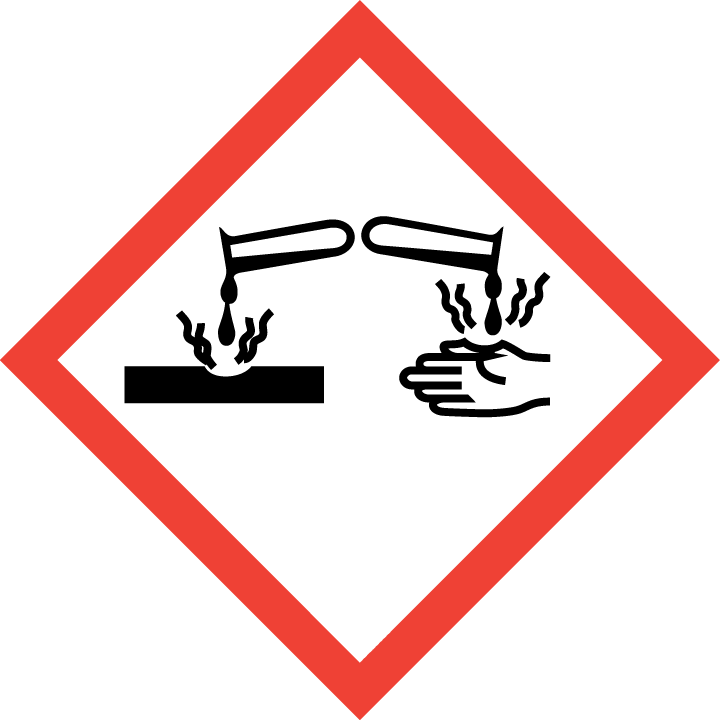 |
| H300 | Fatal if swallowed. | 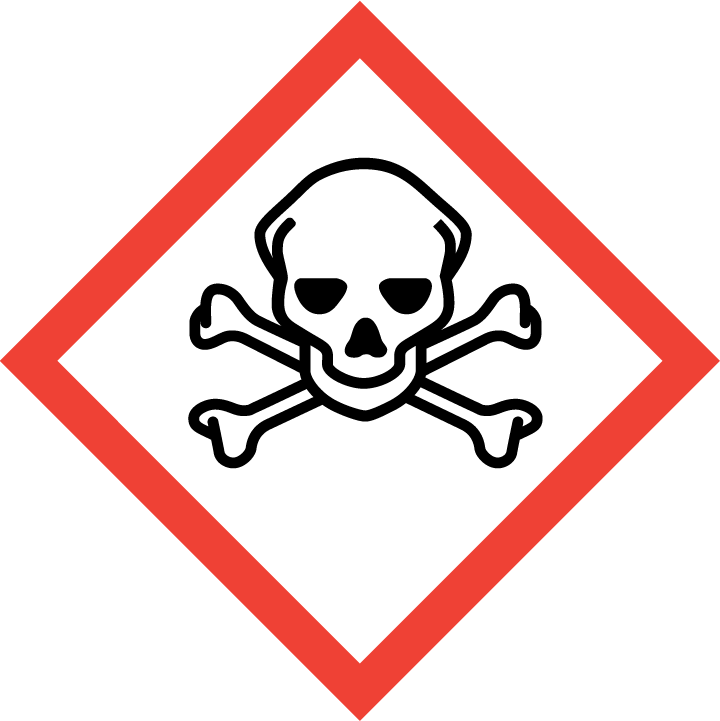 |
| H300+H310 | Fatal if swallowed or in contact with skin | |
| H300+H310+H330 | Fatal if swallowed, in contact with skin or if inhaled | |
| H300+H330 | Fatal if swallowed or if inhaled | |
| H301 | Toxic if swallowed. | |
| H301+H311 | Toxic if swallowed or in contact with skin | |
| H301+H311+H331 | Toxic if swallowed, in contact with skin or if inhaled | |
| H301+H331 | Toxic if swallowed or if inhaled | |
| H302 | Harmful if swallowed. | 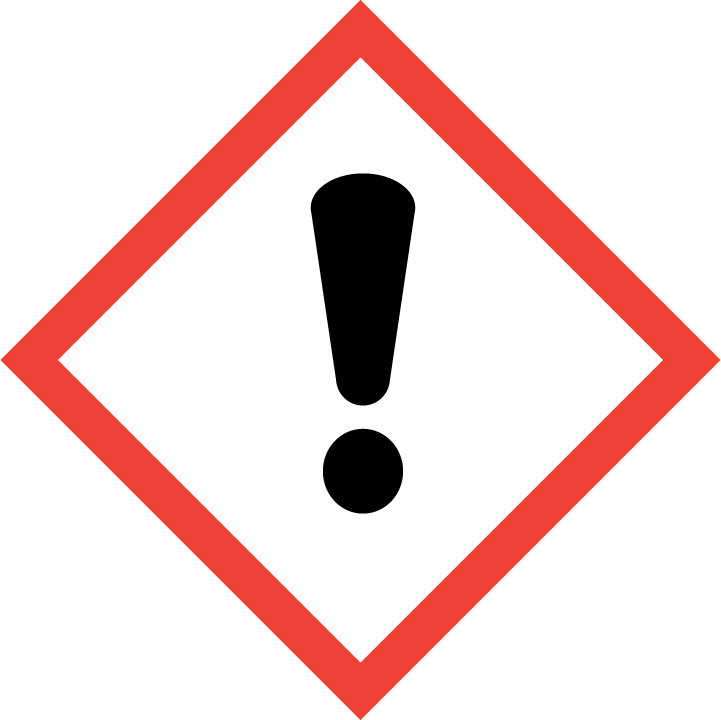 |
| H302+H312 | Harmful if swallowed or in contact with skin | |
| H302+H312+H332 | Harmful if swallowed, in contact with skin or if inhaled | |
| H302+H332 | Harmful if swallowed or if inhaled | |
| H304 | May be fatal if swallowed and enters airways. | 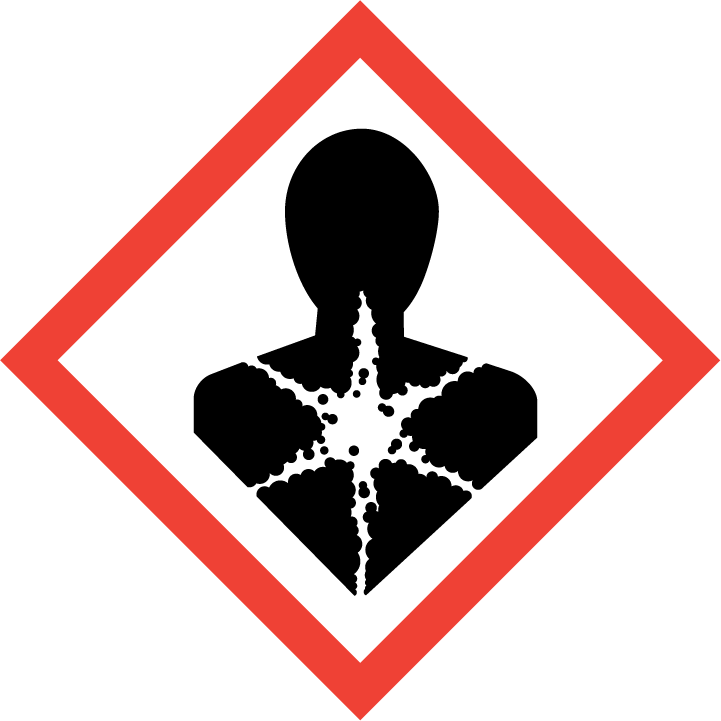 |
| H310 | Fatal in contact with skin. | |
| H310+H330 | Fatal in contact with skin or if inhaled | |
| H311 | Toxic in contact with skin. | |
| H311+H331 | Toxic in contact with skin or if inhaled | |
| H312 | Harmful in contact with skin. | |
| H312+H332 | Harmful in contact with skin or if inhaled | |
| H314 | Causes severe skin burns and eye damage. | |
| H315 | Causes skin irritation. | |
| H317 | May cause an allergic skin reaction. | |
| H318 | Causes serious eye damage. | |
| H319 | Causes serious eye irritation. | |
| H330 | Fatal if inhaled. | |
| H331 | Toxic if inhaled. | |
| H332 | Harmful if inhaled. | |
| H334 | May cause allergy or asthma symptoms or breathing difficulties if inhaled. | |
| H335 | May cause respiratory irritation. | |
| H336 | May cause drowsiness or dizziness. | |
| H340 | May cause genetic defects <state route of exposure if it is conclusively proven that no other routes of exposure cause the hazard >. | |
| H341 | Suspected of causing genetic defects <state route of exposure if it is conclusively proven that no other routes of exposure cause the hazard>. | |
| H350 | May cause cancer <state route of exposure if it is conclusively proven that no other routes of exposure cause the hazard>. | |
| H350i | May cause cancer by inhalation. | |
| H351 | Suspected of causing cancer <state route of exposure if it is conclusively proven that no other routes of exposure cause the hazard>. | |
| H360 | May damage fertility or the unborn child <state specific effect if known > <state route of exposure if it is conclusively proven that no other routes of exposure cause the hazard>. | |
| H360D | May damage the unborn child. | |
| H360Df | May damage the unborn child. Suspected of damaging fertility. | |
| H360F | May damage fertility. | |
| H360Fd | May damage fertility. Suspected of damaging the unborn child. | |
| H360FD | May damage fertility. May damage the unborn child. | |
| H361 | Suspected of damaging fertility or the unborn child <state specific effect if known> <state route of exposure if it is conclusively proven that no other routes of exposure cause the hazard>. | |
| H361d | Suspected of damaging the unborn child. | |
| H361f | Suspected of damaging fertility. | |
| H361fd | Suspected of damaging fertility. Suspected of damaging the unborn child. | |
| H362 | May cause harm to breast-fed children. | |
| H370 | Causes damage to organs <or state all organs affected, if known> <state route of exposure if it is conclusively proven that no other routes of exposure cause the hazard>. | |
| H371 | May cause damage to organs <or state all organs affected, if known> <state route of exposure if it is conclusively proven that no other routes of exposure cause the hazard>. | |
| H372 | Causes damage to organs <or state all organs affected, if known> through prolonged or repeated exposure <state route of exposure if it is conclusively proven that no other routes of exposure cause the hazard>. | |
| H373 | May cause damage to organs <or state all organs affected, if known> through prolonged or repeated exposure <state route of exposure if it is conclusively proven that no other routes of exposure cause the hazard>. | |
| H400 | Very toxic to aquatic life. | 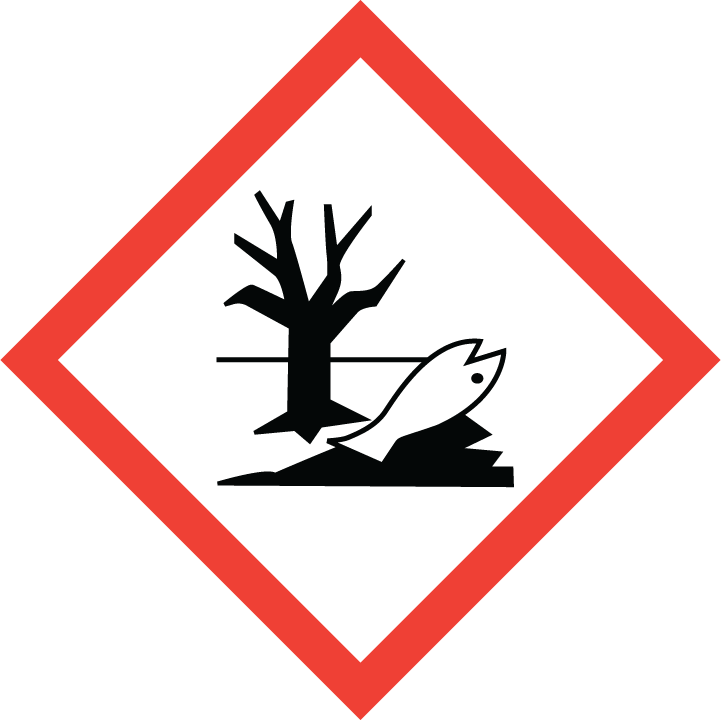 |
| H410 | Very toxic to aquatic life with long lasting effects. | |
| H411 | Toxic to aquatic life with long lasting effects. | |
| H412 | Harmful to aquatic life with long lasting effects. | |
| H413 | May cause long lasting harmful effects to aquatic life. | |
| H420 | Harms public health and the environment by destroying ozone in the upper atmosphere | |
Source: Regulation (EC) No 1272/2008 (CLP), Annexes II to V, EUR-Lex
Create, update or translate one real safety data sheet in SDS Studio™ free of charge. Downloading the finished PDF costs €59 + VAT per SDS, no subscription.
Start your free project →No card needed · 28 languages · EU target-country rules SDS Studio™